The Ultimate Guide to Interior Design Styles: Discover Your Perfect Aesthetic
What is an interior design style?
How can I discover my own unique interior design style?
How many interior design styles are there in the world?
Welcome to the world of interior design styles! We’ve been studying interior design styles for twelve years, and using our research to develop guides and tools to help you understand style. On this page you can explore common questions and discover 30+ interior design styles in our comprehensive guide. Discover modern, traditional and everything in between! Find out which interior design style families have emerged from our research. Plus, get quick inspiration, tips, and expert insights to transform your own space. Let’s go!
Interior design styles meet Google and Pinterest search data: Explore the world’s most loved design styles.
You can get Design Baddie’s original annual Interior Design Style Trend Report for 2025 free when you sign up here.

Ultimate Guide to Interior Design Styles
- Introduction: Why Interior Design Styles Matter
- What Is an Interior Design Style?
- Explore Interior Design Styles
- How to Identify Your Style
- Mixing and Matching Styles
- Practical Applications for Every Room
- Expert Tips for Applying Interior Design Styles
- Frequently Asked Questions (FAQ)
- Conclusion: Start Your Design Journey
- Our ground-breaking Interior Design Style GPT: Meet Archie (Beta)!

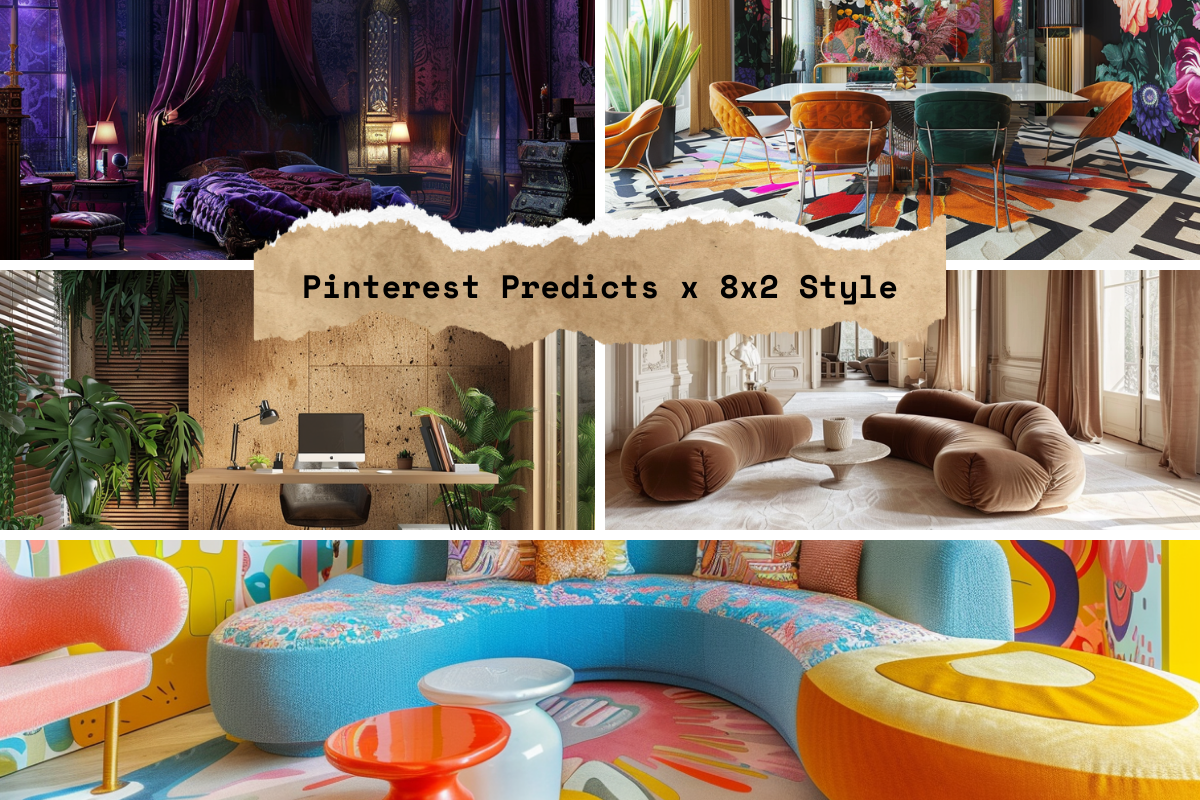
Pinterest Predicts x 8×2 Style 2025 Report
Interior Design Trend Report 2025: Key Trends, Emerging Styles and the Evolving Aesthetic Landscape
Recap: All 2024 Interior Design Trends Ranked from Most to Least Practical
1. Introduction: Why Interior Design Styles Matter
You may have heard people say that interior design styles aren’t that important. We beg to differ!
Interior design styles go further than aesthetics—they are established ways of decorating, and the expression of personality, history, and culture.
Whether you’re redecorating your home or simply exploring different looks, understanding interior design styles can inspire transformations that feel both meaningful and beautiful.
This interior design style guide overview integrates the logic of the 8×2 Style System, a groundbreaking framework for analyzing design personas and classifying styles into cohesive families.
By delving deep into interior design style families, we uncover how aesthetics evolve over time, and how styles adapt to contemporary needs. In short, this guide is designed to provide everything you need to navigate the world of interior design styles with confidence.
Here’s what you’ll find:
- Comprehensive Coverage: From timeless classics to cutting-edge trends, we delve into the characteristics and appeal of diverse design styles.
- Visual Inspiration: Stunning images that showcase the beauty of each style in real-world settings using mood boards.
- Expert Tips and Practical Advice: Guidance on how to apply these styles to your own spaces.
- Interactive Tools: Resources like quizzes and layout ideas to help you discover your personal aesthetic and bring it to life.
Whether you’re seeking inspiration for a single room or planning a complete home redesign, this guide will empower you to harness the science of interior design style to create spaces that truly reflect your identity.
Get started with interior design styles by checking out our fundamental guides:


Introducing the 8×2 Interior Design Style Personality System
Welcome to the 8×2 Interior Design Style System: Understanding Style Archetypes
How Long Do Interior Design Trends Last?
Try out Archie, our interior design style GPT.
How many interior design styles in the world?
According to our independent research, there are upwards of 60 interior design styles in the world. There are thirty common international styles, and at least 30 recognized regional styles.
How to make sense of all the interior design styles out there? Design Baddie has created the first taxonomy trees for interior design styles based on our work classifying them. You can see the tree of the most common interior design styles below.

2. What Is an Interior Design Style?
Are there only a handful of established interior design styles, or are there thousands more?
To understand what we mean by interior design style consider that at its core, an interior design style is something like an agreed upon dialect in the broader visual language of interior design.
You can think of it as an established cohesive set of visual and functional characteristics that define the look and feel of a space. Over time some manners of decorating have been extensively reproduced and even returned to popular culture as timeless favorites, and thus, a style is born!
But interior design styles are not just about choosing furniture or decor—it’s about creating an environment that tells a particular story. At the end of the day, this style story should reflect you, meet your needs and find a way to seamlessly blend aesthetics with functionality.
What is the Difference Between Design and Style?
What’s the Difference Between Design Style and Decorating Style?
The Evolution of Styles Through History

Interior design styles have evolved over centuries, influenced by cultural movements, technological advancements, and societal shifts. From the ornate details of Baroque and Rococo to the sleek minimalism of Mid-Century Modern, each style reflects the values and innovations of its time.
Our research identifies emerging style families that group interior design trends by shared characteristics, such as cultural roots or functional priorities. These families help us understand the overarching story of interior aesthetics, from traditional to modern to hybrid styles.
Interior Design Style Classification Family Tree

Balancing Function and Form
A great design style is more than just visually appealing—it’s practical too. For example:
- Modern styles prioritize clean lines and functionality, ideal for urban living.
- Traditional styles emphasize symmetry and craftsmanship, creating a sense of timelessness.
- Eclectic styles celebrate individuality, blending diverse elements into cohesive, functional spaces.
Mixing Styles: The Rise of Style Hybrids

In today’s design landscape, strict adherence to one style is becoming less common. Instead, mixing and matching styles allows for personalization and creativity. In the world of interior design styles, these styles are known as hybrid or fusion styles. For example:
- Combine the clean lines of Scandinavian design with the warmth of Rustic decor to create a cozy yet contemporary feel.
- Blend Industrial elements with Bohemian flair for a space that’s both edgy and inviting.
By understanding the foundation of interior design styles, you’ll not only gain insight into what makes each one unique but also learn how to create spaces that are authentically yours. Let’s explore the possibilities!
The 8×2 Style System: A Framework for Understanding Design
“The 8×2 Style System categorizes interior design into personas and style families based on historical, cultural, and aesthetic influences. This logic-based approach helps identify patterns in how styles evolve, blend, and adapt to changing needs. From traditional elegance to modern minimalism, the 8×2 framework provides a deeper understanding of the styles shaping our spaces.”
Sign up to download our free guides:


Discover the most popular interior design styles in search and social media.
Discover the sixteen interior design style personality types.
See all thirty styles as mood boards with real images (our most popular free download!)
Discover five unique Asian interior design styles.
3. Explore Interior Design Styles
Interior design styles encompass a world of creativity, history, and personal expression.
Below, we’ve categorized key styles into five groups, highlighting their defining features and how they can be applied in today’s homes. Each style comes to life with visuals, modern applications, and inspiring details to help you find your own interior aesthetic.
Modern Styles

Examples: Modern Minimalist, Scandinavian, Mid-Century Modern, Industrial.
Features:
- Clean Lines: Emphasis on simplicity and geometry in furniture and layouts.
- Neutral Palettes: Whites, grays, and subtle accents create a calming environment.
- Functional Furniture: Designs prioritize usability, with multi-functional pieces for efficient living.

Modern Applications:
- Living Rooms: Sleek sofas, low-profile coffee tables, and uncluttered shelving.
- Kitchens: Open layouts with clean cabinetry, stainless steel appliances, and minimalist lighting.
Visual Inspiration: A Scandinavian living room with light wood flooring, a neutral sofa, and pops of greenery; a Mid-Century Modern dining room with a sleek wooden table and iconic molded chairs.

Traditional Styles

Examples: Victorian, Colonial, Georgian.
Features:
- Ornate Details: Carved woodwork, intricate moldings, and decorative accents.
- Symmetry: Balanced arrangements in furniture and decor.
- Rich Materials: Mahogany, velvet, and heavy drapery add elegance and warmth.

Modern Applications:
- Dining Rooms: Chandeliers, upholstered chairs, and polished wood tables for formal gatherings.
- Libraries: Cozy spaces with leather armchairs, built-in bookshelves, and patterned rugs.
Visual Inspiration: A Victorian dining room with a grand chandelier and velvet curtains; a Colonial-style library with built-in bookshelves and a roaring fireplace.

Eclectic and Global Styles

Examples: Bohemian, Moroccan, Coastal, Farmhouse.
Features:
- Layered Textures: Macrame, woven fabrics, and natural fibers create depth.
- Bold Patterns: Vibrant rugs, pillows, and wall art with global influences.
- Cultural Artifacts: Handcrafted items like Moroccan poufs, coastal shells, or farmhouse antiques.

Modern Applications:
- Living Spaces: A blend of soft sofas, bold patterned textiles, and global decor.
- Outdoor Areas: Boho-inspired patios with colorful rugs, lanterns, and low seating.
Visual Inspiration: A Moroccan-inspired living room with patterned rugs and brass lighting; a Coastal-style bedroom with whitewashed wood and ocean-hued accents.

Transitional Styles

Examples: Modern Farmhouse, Contemporary Classic, Coastal Chic.
Features:
- Blend of Old and New: Incorporates traditional charm with modern functionality.
- Neutral Palettes: Soft whites, grays, and taupes with subtle accents.
- Balanced Aesthetic: Combines clean lines with cozy textures for timeless appeal.

Modern Applications:
- Kitchens: Modern Farmhouse kitchens with shaker cabinets, farmhouse sinks, and pendant lighting.
- Bedrooms: Coastal Chic designs with breezy fabrics, rattan furniture, and sea-inspired decor.
Visual Inspiration: A Modern Farmhouse kitchen with rustic wood beams and sleek white cabinetry; a Contemporary Classic living room with elegant furnishings and a streamlined layout.

Niche and Emerging Styles

Examples: Maximalism, Biophilic Design, Japandi.
Features:
- Bold Expression: Maximalism’s fearless use of color and pattern.
- Nature-Inspired Aesthetics: Biophilic design integrates greenery and natural materials.
- Hybrid Influences: Japandi combines the simplicity of Japanese design with Scandinavian coziness.

Modern Applications:
- Home Offices: Japandi desks with minimal decor and warm lighting.
- Living Rooms: Maximalist spaces with layered patterns and rich jewel tones.
Visual Inspiration: A Japandi living room with minimalist furniture and warm wood tones; a Biophilic dining room with a living wall and reclaimed wood furniture.

These categories are just the beginning of exploring interior design styles. Whether you prefer clean modern lines, timeless traditional elegance, or the vibrancy of global influences, there’s a style for every personality and home.
Let’s dive deeper into how to identify and mix these styles!
4. How to Identify Your Style
Finding your interior design style is an exciting journey of self-discovery. Whether you’re drawn to the clean lines of modern minimalism or the layered textures of bohemian decor, identifying your style helps create spaces that truly feel like home.
Interactive Quiz: “What’s Your Interior Design Style?”
Start by taking our style quiz to discover your design persona. Answer questions about your favorite colors, textures, and room setups to reveal which style aligns with your preferences.
Step-by-Step Guide to Finding Your Style
- Assess Your Favorites:
- Colors: Do you prefer neutral tones like white and beige, vibrant hues like ruby and teal, or darker shades like navy and emerald?
- Materials: Are you drawn to natural elements like wood and stone, sleek metals like chrome, or luxurious fabrics like velvet and silk?
- Textures: Consider if you prefer smooth, minimalist surfaces or layered, tactile finishes like knit throws and woven rugs.
- Evaluate Your Lifestyle:
- How do you use your space? If you need functionality for a busy family, consider styles like Modern Farmhouse or Scandinavian. For a more artistic vibe, explore Bohemian or Industrial.
- Think about maintenance. Minimalist styles may suit those who prefer clutter-free spaces, while maximalist styles might be perfect for those who love collecting decor.
- Find Inspiration:
- Travel and Culture: Reflect on places you’ve visited or cultural elements that inspire you. Moroccan rugs, Japanese tatami mats, or Scandinavian hygge can guide your style.
- Visual Cues: Explore Pinterest boards, magazines, and favorite brands. Pin rooms or designs you love to identify recurring themes.
- Personal Preferences: Consider your favorite fashion choices or art pieces. Often, your aesthetic taste carries over into interior design.
Combine these steps to narrow down your preferences and uncover a style that feels both authentic to you, as well as functional.
Check out these useful guides:


How to Develop Your Own Personal Interior Design Style
5 Things Your Dressing Style Says About Your Design Style
What Style is Your Home? The Eight Factors!
The Ultimate Interior Design Style List: How to Reference 30 Popular Styles
5. Mixing and Matching Styles

Gone are the days of sticking to a single design style. Mixing and matching styles is a popular way to create a space that’s both personal and unique. When done well, this approach brings together the best of multiple worlds.
Tips for Combining Styles
- Find Common Ground:
- Look for shared elements between styles, such as complementary color palettes or similar materials. For example, Bohemian and Scandinavian styles both embrace natural materials like wood and woven textiles.
- Choose a unifying base. If you’re mixing Modern and Traditional, use a neutral palette to tie the styles together.
- Balance Bold and Subtle:
- Pair statement pieces with understated decor. A bold Victorian armchair can shine in a room with sleek, minimalist furniture.
- Use contrast sparingly to maintain cohesion. For example, layer a patterned rug in an otherwise monochromatic space.
- Incorporate Personal Heirlooms or Statement Pieces:
- Include vintage items or family heirlooms to add history and character. These pieces can bridge the gap between styles, making the space feel intentional and meaningful.
- A single bold piece, like a Moroccan pouf or a Mid-Century Modern light fixture, can serve as the focal point that ties the room together.
Showcase Examples

- Bohemian-Scandi:
- Combine the simplicity of Scandinavian design with the vibrant, layered textures of Bohemian decor. Think: a minimalist sofa with colorful throw pillows and a macrame wall hanging.
- Modern Victorian:
- Merge the ornate detailing of Victorian design with the sleek finishes of Modern styles. Imagine: a velvet tufted sofa paired with a clean-lined coffee table and brass accents.
Mixing styles is a balancing act of harmony and contrast. By following these tips, you can create a space that feels curated, cohesive, and entirely your own.
6. Practical Applications for Every Room
Bringing interior design styles to life in your home means tailoring each space to reflect your chosen aesthetic while ensuring functionality and comfort. Here’s how to apply design principles to key rooms in your home:
Living Room: Key Furniture and Layout Tips
- Modern Styles: Opt for low-profile sofas, clean-lined coffee tables, and open layouts. Keep decor minimal to maintain an uncluttered feel.
- Traditional Styles: Use rich upholstery, classic wood furniture, and symmetrical layouts. Add ornate lighting, like a chandelier or brass floor lamp.
- Eclectic Styles: Mix textures and colors, layering patterned rugs with unique accent chairs and bold art pieces. Arrange furniture to create conversational groupings.
- Pro Tip: Use area rugs to define zones in open-concept spaces.
Bedroom: Combining Comfort with Aesthetics
- Modern Styles: Choose sleek platform beds, neutral bedding, and minimalist nightstands. Add warm lighting for a cozy touch.
- Traditional Styles: Incorporate tufted headboards, luxurious textiles like velvet or satin, and classic bedside lamps.
- Bohemian Styles: Layer textures with throw blankets, macrame wall hangings, and patterned cushions. Opt for rattan or distressed wood furniture.
- Pro Tip: Keep your bedroom serene by choosing a calming color palette and ensuring clutter-free storage solutions.
Kitchen: Popular Style Elements and Materials
- Modern Styles: Prioritize functionality with flat-panel cabinets, quartz countertops, and integrated appliances. Add statement lighting, like pendant lamps.
- Farmhouse Styles: Combine shaker-style cabinets with apron-front sinks, butcher block countertops, and rustic open shelving.
- Industrial Styles: Use exposed metal fixtures, reclaimed wood accents, and concrete countertops for an edgy, urban vibe.
- Pro Tip: Mix finishes, such as brass faucets with matte black cabinet handles, for a modern twist.
Home Office: Designing for Productivity and Style
- Scandinavian Styles: Focus on simplicity with a clean-lined desk, ergonomic chair, and natural wood finishes. Add plants for a biophilic touch.
- Mid-Century Modern Styles: Opt for a sleek desk with tapered legs, a statement task lamp, and iconic design pieces like an Eames chair.
- Eclectic Styles: Showcase personality with colorful art, patterned rugs, and unique decor pieces.
- Pro Tip: Prioritize lighting and organize your workspace to reduce distractions and boost efficiency.
7. Expert Tips for Applying Interior Design Styles
Interior designers know the secrets to making styles look effortless. Here are some expert tips to help you elevate your spaces:
Trends to Follow (and Avoid)
- Follow:
- Biophilic design for its health benefits and timeless appeal.
- Textured surfaces like limewash walls or fluted wood for depth and character.
- Hybrid styles like Japandi and Modern Farmhouse for their versatility.
- Avoid:
- Overly themed designs that feel one-dimensional.
- Trendy, short-lived decor that doesn’t align with your long-term aesthetic.
Budget-Friendly Ways to Style Your Home
- Start Small: Invest in statement pieces like a standout light fixture or an accent chair that defines the room.
- DIY Decor: Paint an accent wall, refinish old furniture, or create a gallery wall with budget-friendly art.
- Thrift and Mix: Combine secondhand finds with new pieces for a curated, layered look.
Staying True to Your Aesthetic
- Anchor Your Space: Choose a defining element, like a specific color palette or material, and build around it.
- Personalize: Incorporate meaningful items, such as heirlooms or travel finds, to make your space unique.
- Edit Thoughtfully: Keep only what enhances your aesthetic and let go of items that don’t align with your vision.
Designer Insight:
“A great interior reflects the soul of its inhabitant. Trends come and go, but a well-designed space is timeless when it’s personal.” — Sophia Ramirez, Interior Designer.
Taking notes? We’re confident that by starting out with the basics, you can confidently bring any design style into your home. The result? Creating spaces that are both beautiful and functional: the holy grail of interior design goals!
Will you be one of the style sleuths that stays up to date with interior design news and broader trends? It’s easier than you think. Our regularly published trend reports are free and offer insights into the latest movements in interior design.
Why not sign up? We have annual style forecasts and updates four times a year on emerging trends. We believe we have the freshest resources on the web keep you informed and inspired. Ditch the boring design blogs and get the interior design inside scoop for a new design generation.
9. Frequently Asked Questions (FAQ)
What’s the difference between modern and contemporary styles?
While often used interchangeably, modern and contemporary styles have distinct characteristics:
- Modern Style: Rooted in the early to mid-20th century, modern design emphasizes clean lines, functional furniture, and a neutral palette. It’s timeless and grounded in historical movements like Mid-Century Modern and Bauhaus.
- Contemporary Style: Reflects the current moment, evolving with trends. It often blends elements from various styles, prioritizing innovation, simplicity, and fluidity. Think sleek finishes, unexpected shapes, and forward-thinking design.
How do I find my interior design style?
Discovering your style is about reflecting on what resonates with you:
- Assess your preferences for colors, materials, and textures.
- Explore visual inspiration through Pinterest, Instagram, or home decor magazines.
- Identify practical needs—do you value functionality, bold statements, or cultural elements?
- Take an interactive quiz, like the 8×2 Style Quiz, to match your personality with a design persona.
More free and useful interior design style guides
Discover the Most Common Interior Design Styles
Discover the core interior design “Style Families”
Checkout these popular style guides
Can I mix more than two styles?
Absolutely! Mixing multiple styles creates a unique, personal space. The key is to maintain balance:
- Choose a unifying element, such as a cohesive color palette or shared materials.
- Let one style dominate while others complement (e.g., Modern Victorian with touches of Boho).
- Edit thoughtfully to avoid overwhelming the space.
Which style works best for small spaces?
For small spaces, consider styles that emphasize functionality and simplicity:
- Scandinavian: Neutral palettes, multifunctional furniture, and clean lines keep spaces airy.
- Japandi: Combines minimalist Japanese and Scandinavian design for a serene, efficient feel.
- Modern Minimalist: Avoids clutter with sleek, purposeful designs that maximize space.
Pro Tip: Use mirrors, light colors, and vertical storage to make small spaces feel larger.
10. Conclusion: Start Your Design Journey
Finding your interior design style is more than choosing decor—it’s about creating spaces that reflect your identity and enhance how you live. Whether you’re drawn to the clean lines of modern design, the rich history of traditional styles, or the vibrant layers of eclectic decor, understanding your aesthetic unlocks endless possibilities for personal expression.
Looking for more design inspiration? Explore our trend reports for in-depth analyses of annual, biannual, and quarterly shifts in interior design. Stay ahead of what’s trending and discover how your favorite styles evolve over time.
Ready to discover your design persona? Take our 8×2 Style Quiz to uncover your unique style and gather inspiration for your next project. Whether you’re redesigning your living room or embarking on a full home makeover, this is your first step toward creating a space you’ll love.
Let your style journey begin!