Practicing the Art of Interior Design: An Introduction
Author: vonsassy | Last Updated: January 6, 2025

Interior design is often perceived as a balance between function and aesthetics, but what if we began to view it as an art form—one that goes beyond mere practicality to embody human expression, interaction, and storytelling?
Much like great works of art or cinema, interior design shapes the way we experience and feel within a space, creating atmospheres that reflect the emotional, psychological, and cultural narratives of those who inhabit them.

Initially inspired by the artistry of French cinema, this exploration delves into how interior design becomes a form of art—crafted not only through the placement of objects but through thoughtful consideration of space, light, color, and emotion.
From architecture to visual styles and media representation, we’ll look at the ways in which design transcends utility and embraces a more profound, artistic purpose.
I. Introduction: The Intersection of Art and Interior Design

Interior design, much like cinema, is about evoking emotions and shaping narratives. A well-designed space doesn’t just serve its functional purpose; it tells a story, much like a film director uses sets and lighting to create mood.
In this article, we’ll explore the key elements that make interior design an art form, focusing on juxtaposition, architecture, culture, art, and interior styles as they are represented both in real life and media. We’ll also examine how modern technologies, such as generative AI, are revolutionizing style conception and exploration.

II. Architecture as Art: The Foundation of Interior Spaces
Architecture provides the canvas on which interior design unfolds. A building’s structure, much like a sculpture, creates the framework that designers work within.
Take the works of architects like Frank Lloyd Wright and Zaha Hadid—these iconic designers used form and space in innovative ways, creating buildings that are works of art in their own right.

In the realm of interior design, the balance of form and function is crucial. Architecture frames the physical space, while interior design expresses the emotion and intention within that space. The contrast between a building’s exterior and its interior often creates a sense of emotional tension that heightens the experience of the design.
III. The Role of Juxtaposition in Interior Design

Juxtaposition is a fundamental artistic tool that creates contrast and interest within a space. By combining unexpected elements—whether through color, texture, or layout—designers can craft spaces that are visually engaging and emotionally resonant.
For instance, pairing industrial elements with soft, organic materials can bring a sense of balance between the mechanical and the natural.
Juxtaposition also plays a psychological role in design. The way spaces are organized, from narrow, intimate corridors to expansive, open rooms, can shape how people feel and behave. Spatial transitions create emotional journeys, guiding the inhabitants through different experiences within the same environment.

Practical tips for applying juxtaposition in interior design include mixing textures (e.g., velvet with metal), contrasting light and dark color schemes, or blending traditional and modern design elements to create visual harmony or tension.
IV. Culture and Visual Style Typographies

Culture shapes the visual language of interior design. From minimalist Japanese interiors to the bold patterns of Moroccan decor, design styles often reflect the values, history, and traditions of a culture. Blending styles from different cultures allows designers to create spaces that are rich in narrative and visual complexity.
Cultural expression in design is not only about decoration; it’s about using materials, motifs, and layouts to tell a story. For example, a space might incorporate Scandinavian minimalism with vibrant African textiles, creating a dialogue between different design philosophies and reflecting a global, multicultural identity.

V. The Art of Expression in Interior Design
Interior design is a platform for personal expression. Just as a filmmaker or artist conveys their message through their work, interior designers create spaces that reflect the personalities and stories of those who inhabit them.

Interiors can be thought of as sets for the “theater of life,” influencing how people interact with the space and with each other. A cozy reading nook invites solitude and reflection, while an open-plan kitchen fosters conversation and togetherness.
In this way, interior design shapes human behavior, much like a film director shapes the mood of a scene through set design.

Designers often use space to tell stories. A well-designed room can reflect a journey, a memory, or an aspiration, offering more than just visual appeal—it becomes an extension of the individual’s narrative.
VI. The Role of Artworks in Interior Spaces

Art is a central element in interior design, often acting as a focal point that brings depth and personal expression to a room. A bold painting can inject energy into a minimalist space, while a serene sculpture can create a sense of calm in a busy environment.
Juxtaposing art and design is a way to enhance the emotional impact of a room. Contrasting an abstract artwork with a traditional space, for example, can create an interesting visual dialogue.
Art becomes a narrative tool, telling the story of the space and its inhabitants, providing insight into their tastes, beliefs, and emotions.
VII. Interior Styles and Representation in Media and Cinema

Interior design is often used in cinema to heighten emotion and reflect the psychological state of characters. The use of set design in films, like the highly stylized interiors of Wes Anderson’s films, has influenced real-world design trends by showcasing how visual elements can contribute to storytelling.
Television shows, particularly design competitions like Interior Design Masters, further highlight how interior design is an art form.
These programs not only entertain but also educate the public on the creative process behind design, influencing trends and encouraging viewers to see interior design as a form of self-expression.

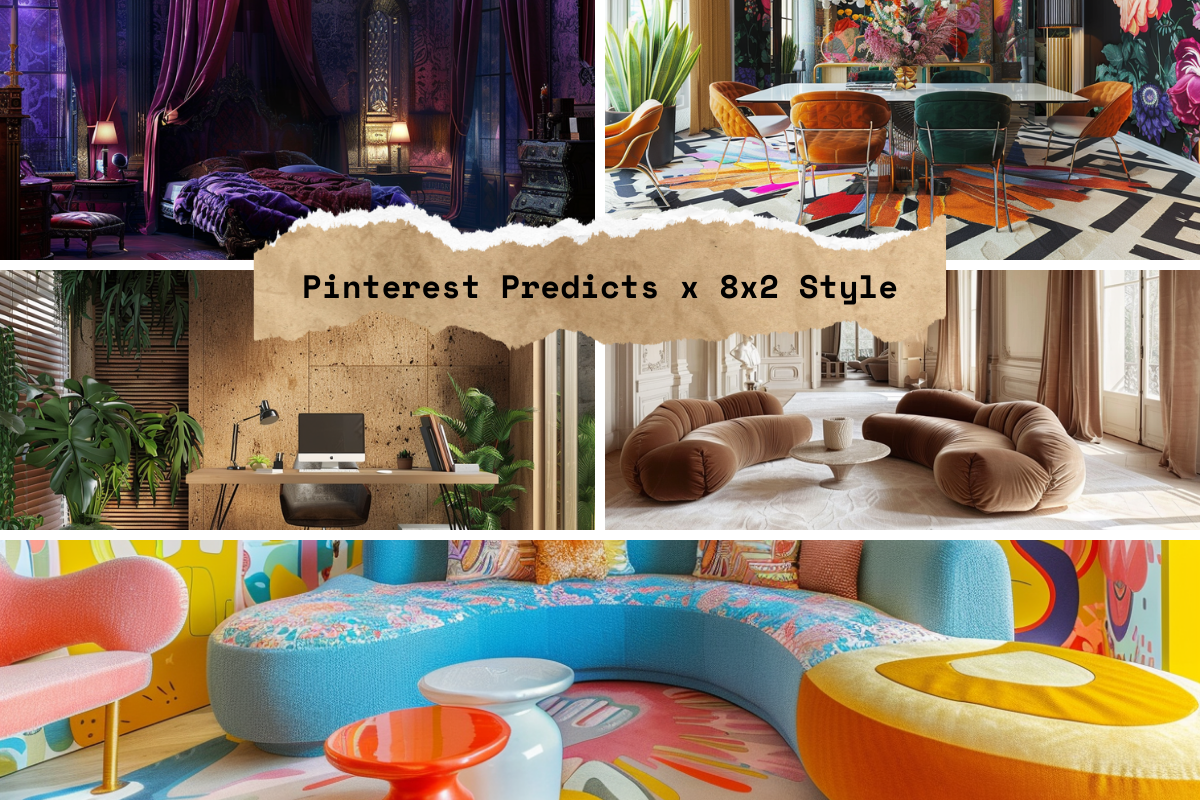
Magazines and digital platforms like Pinterest and Instagram have democratized design, allowing people to engage with interior aesthetics as an accessible yet high-level artistic endeavor, especially as both designers and design laymen let their design fantasies take flight with the help of generative artificial intelligence.
Platforms like VR and AR are opening up new ways for people to interact with and experience interior spaces, making design both interactive and future-facing.
VIII. The Art of Interior Design in Everyday Life

Interior design, like any art form, is about creating spaces that speak to us on a deeper level. Whether through juxtaposition, cultural expression, or personal storytelling, design transcends its functional role and becomes an extension of who we are.
Generative AI and other technologies are pushing the boundaries of design, allowing for new forms of style exploration and customization.
However, at its core, interior design remains a profoundly human art, rooted in creativity, emotion, and the desire to create spaces that reflect and enhance our lives.

By viewing interior design as an art form, we can approach the spaces we inhabit with greater intentionality, transforming them into meaningful, expressive environments that tell our stories.
Generative AI in Interior Design: The Future of Conception and Style Exploration

As we move into a more technologically advanced era, the role of artificial intelligence (AI) in interior design is growing exponentially.
Generative AI, in particular, has begun to revolutionize how designers approach space conception and style exploration, pushing the boundaries of creativity while offering practical tools for experimentation.
AI as a Tool for Inspiration

Generative AI allows designers to quickly explore a multitude of design options, generating concepts based on specific inputs such as color palettes, material choices, or spatial configurations.
This technology can produce hundreds of design iterations in a fraction of the time it would take manually, offering new perspectives and combinations that a designer might not have considered.
The power of AI lies in its ability to blend data-driven analysis with artistic exploration. Designers can use AI to experiment with layouts, visualize complex spatial relationships, and explore new styles by mixing and matching elements from different design typographies.
AI doesn’t replace the designer’s intuition or creativity; rather it enhances it by offering fresh possibilities and pushing the boundaries of traditional design frameworks.
AI and Personalization in Interior Design

Generative AI also opens up new avenues for personalized design. By analyzing user preferences, habits, and behaviors, AI can tailor design recommendations that align with a person’s unique tastes and lifestyle.
Imagine being able to upload photos of your current space, along with a few personal style preferences, and receiving a fully realized design plan that matches not only your aesthetic preferences but also your emotional and psychological needs.
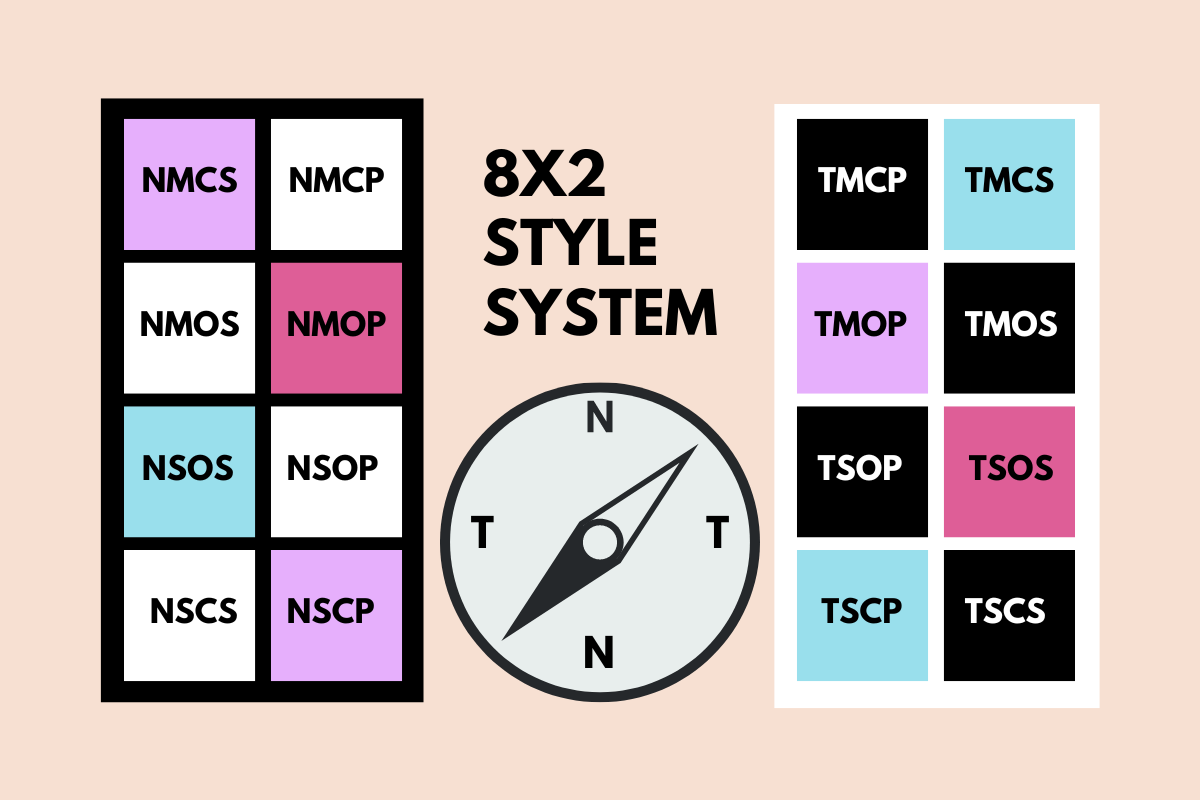
This level of customization is particularly relevant in the context of the 8×2 Interior Design Style Personality Theory outlined on this blog, where AI could be used to generate personalized style recommendations based on individual personalities and preferences, making design more accessible and tailored to the user.
Style Exploration and Virtual Reality

Another exciting application of generative AI is in the realm of virtual and augmented reality. Designers can now create immersive, 3D models of spaces that clients can explore in real-time.
This allows for greater experimentation with design elements, such as lighting, textures, and color schemes, and provides clients with a fully interactive experience before any physical changes are made.
By merging AI with VR, interior design becomes a dynamic and interactive art form where users can navigate through multiple design concepts and iterations, allowing them to play a more active role in the design process.
This technology not only enhances creativity but also improves efficiency, enabling faster decision-making and more refined final outcomes.

Conclusion: Embracing the Art of Interior Design
Interior design, at its core, is an art form—one that shapes not only our physical surroundings but also our emotional and psychological experiences within those spaces. Whether through the juxtaposition of elements, the influence of cultural styles, or the integration of artwork, interior design is a powerful tool for expression and storytelling.
As generative AI continues to evolve, the possibilities for interior design are expanding, offering new ways to conceive spaces and explore styles. But despite these technological advancements, the essence of interior design remains rooted in creativity, intuition, and the ability to craft spaces that enhance our lives.
By practicing the art of interior design with intention and care, we can create environments that reflect our individuality, nurture our well-being, and elevate the everyday experiences of life.
Thank you for reading ‘Practicing the Art of Interior Design: An Introduction’. We hope you enjoyed this look into the artistic side of the interior design world. We invite you to sign up for more original insights and informative content from Design Baddie by signing up for our newsletter.
Happy designing!
–Vonsassy